
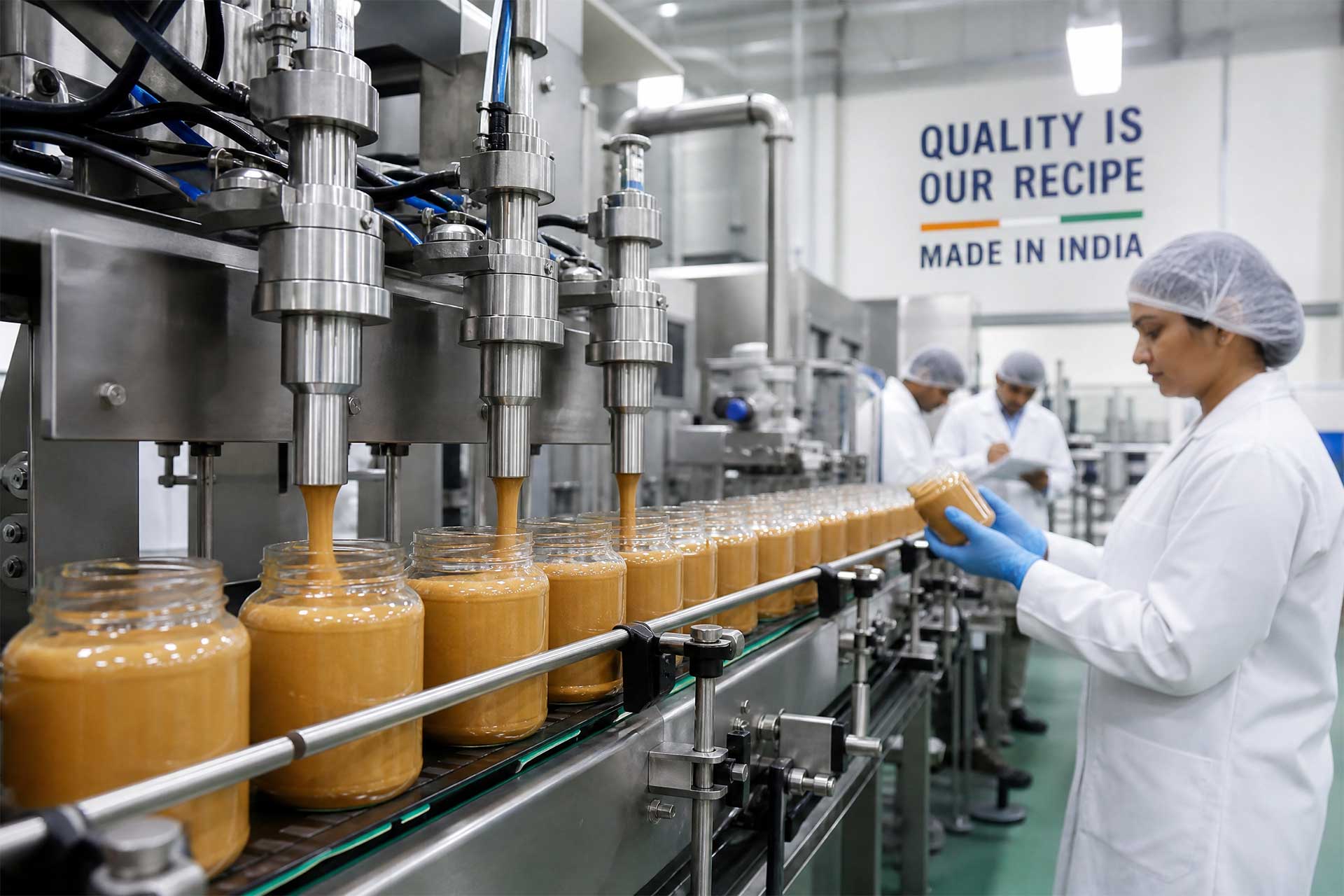
If you’ve ever flipped a peanut butter jar around to read the label, you’ve probably noticed something odd — some jars list one ingredient, others list six or seven. So what is peanut butter actually made of? The answer depends entirely on which jar you’re holding.
The Short Answer
What is peanut butter made of?
At its simplest, peanut butter is made of just one ingredient — roasted peanuts, ground into a smooth or crunchy paste. Many commercial brands add salt, oil, sugar, or stabilisers to improve texture, flavour, and shelf life. Always check the ingredient list to know exactly which version you’re buying.
The one-ingredient version vs the commercial version
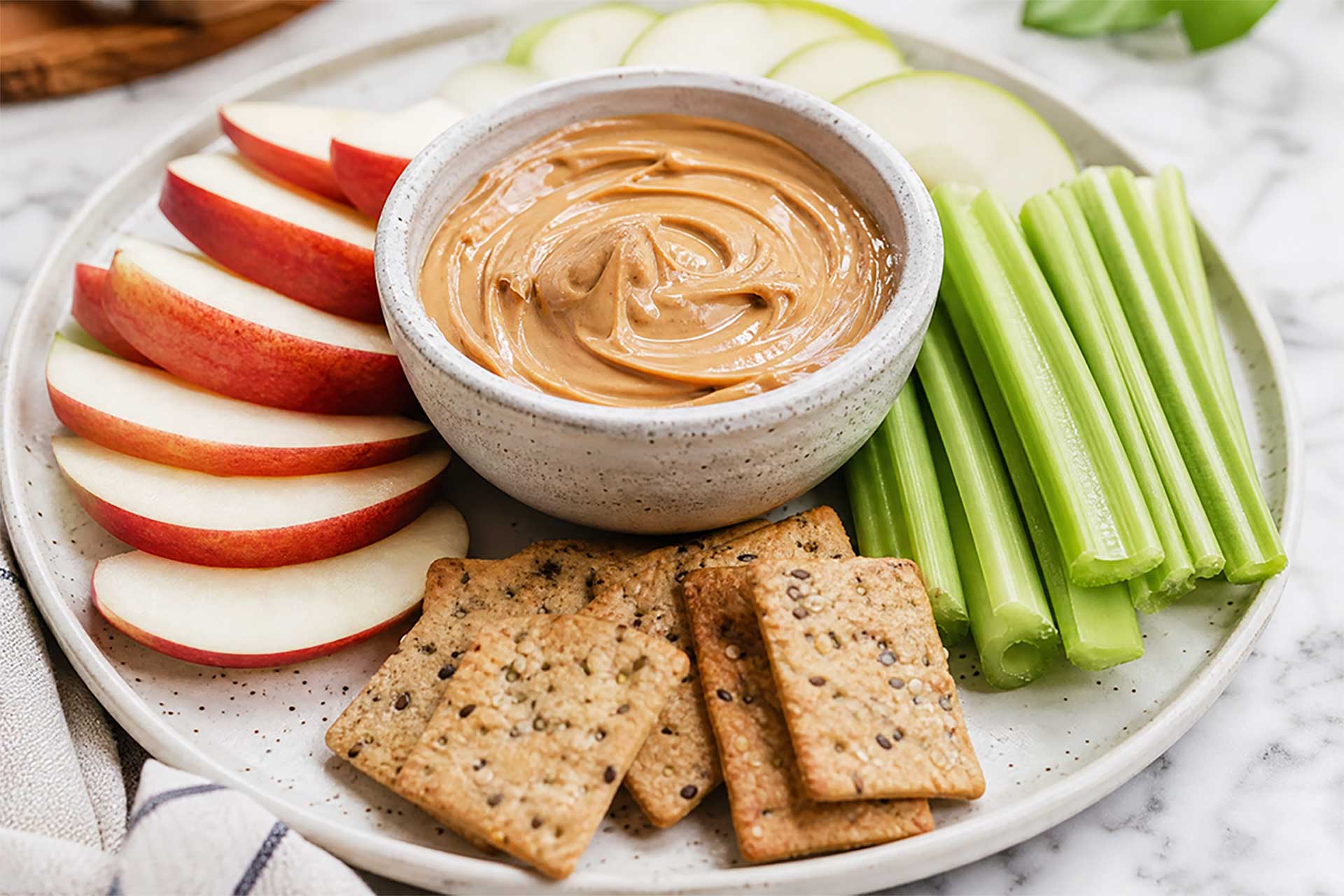
True natural peanut butter has an ingredient list with exactly one word on it: peanuts. Sometimes a pinch of salt is added for flavour. Everything else you see on a typical supermarket label — palm oil, sugar, hydrogenated vegetable oil, emulsifiers — is there to change texture or extend shelf life, not to add nutrition.
Ingredient by Ingredient
The ingredients in peanut butter, explained
Here’s exactly what each ingredient does and why it might (or might not) be in your jar.
🥜
Peanuts
The only essential ingredient. Peanuts are dry-roasted, then ground into a paste. Everything else in this list is optional — added by manufacturers, not required to make peanut butter.
🧂
Salt
Added purely for flavour, not preservation. A small amount — usually under 1% of the total weight — is common even in “natural” peanut butter.
🛢️
Oils (palm, sunflower, or hydrogenated vegetable oil)
Added to keep the texture smooth and prevent the natural oil in peanuts from separating. This is what makes commercial peanut butter “no-stir” — but it also adds saturated fat that wasn’t in the original peanut.
🍯
Sugar or sweeteners (sugar, jaggery, honey)
Added for taste, especially in mass-market brands aimed at children. Some Indian brands use jaggery instead of refined sugar as a flavour and marketing differentiator.
🧪
Stabilisers (mono- and diglycerides)
Small amounts of emulsifiers stop the oil from separating to the top of the jar over time. Without them, you’ll see a layer of oil sitting above the peanut paste — that’s actually a sign the product is closer to natural.
Side by Side
Natural vs commercial peanut butter — what’s actually different
| Ingredient | Natural peanut butter | Commercial peanut butter | Why it’s there |
|---|---|---|---|
| Peanuts | 100% | ~90% (rest is additives) | Base ingredient |
| Salt | Optional, small amount | Usually present | Flavour |
| Added oil | None | Common (palm/hydrogenated) | Prevents separation |
| Sugar | None | Common | Taste, mass appeal |
| Stabilisers | None | Often present | Smooth, no-stir texture |
| Shelf life (unopened) | 6–12 months | 18–24 months | Additives extend stability |
Why natural peanut butter separates (and why that’s a good sign)
Peanuts naturally contain a high percentage of oil. When that oil isn’t artificially stabilised, it rises to the top of the jar over time — it’s basic physics, not spoilage. A quick stir before each use brings it back together. If your jar never separates at all, it’s a strong clue that stabilisers are doing the work.
Worth Knowing
Neither version is automatically “healthier” — it depends on your priorities. Commercial peanut butter is more convenient and shelf-stable; natural peanut butter has fewer additives and a shorter ingredient list. Many people choose based on taste preference as much as health.
From Peanut to Paste
How peanuts become peanut butter — the short version
The ingredient list only tells half the story. Here’s the basic process, in four steps:
1
Raw peanuts are dry-roasted to develop flavour and aroma
2
The thin red skins are removed
3
Roasted peanuts are ground into a smooth or chunky paste
4
Salt, oil, sugar, or stabilisers are blended in — or skipped entirely for natural versions
Beyond the Ingredients
Is peanut butter healthy, based on what’s in it?
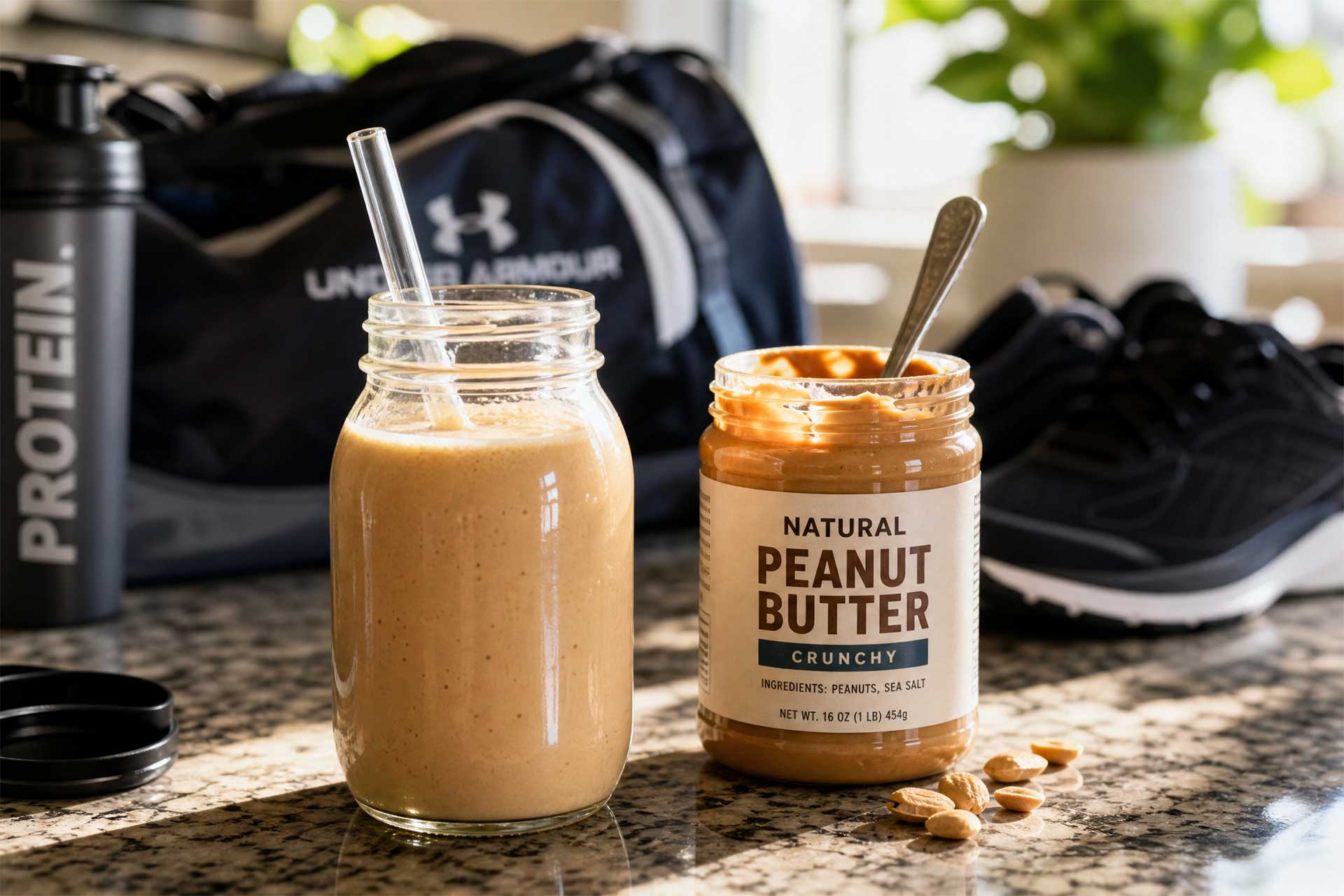
Protein and healthy fats from peanuts
Peanuts themselves are genuinely nutrient-dense — rich in protein, fibre, and unsaturated fats, along with magnesium and vitamin E. This is the nutritional foundation of any peanut butter, regardless of brand.
What to watch for — added sugar and hydrogenated oils
The nutritional picture changes once sugar and hydrogenated oils enter the mix. These additions increase calorie density and saturated fat without adding any extra nutritional value. If health is your main reason for eating peanut butter, the ingredient list matters more than the marketing on the front of the jar.
Practical Tip
How to check what’s really in your peanut butter
Next time you’re shopping, here’s a 30-second way to know exactly what you’re buying:
- Read the ingredient list in order — ingredients are listed by weight, so whatever comes first makes up the most of the product
- Look for “100% peanuts” or a single-ingredient label if you want the most natural option
- Check for added oils, sugar, or “hydrogenated” anything if you’re trying to avoid processed additives
Keep Exploring
Curious about brands or making your own?
Now that you know what’s actually in the jar, the next natural question is which type fits your needs — natural, classic, or one of the flavoured variants showing up on shelves lately.
🍫
See how natural, classic, and flavoured peanut butter compare side by side
Sources & Further Reading
Quick Answers
Frequently asked questions
Is peanut butter made of just peanuts?
It can be. Truly natural peanut butter contains only peanuts, sometimes with a pinch of salt. Most commercial jars add oil, sugar, or stabilisers — check the ingredient list to know which one you’re buying.
Why does my peanut butter have oil floating on top?
That’s a sign of natural peanut butter. Without stabilisers, the natural oil in peanuts separates from the solids over time. It’s not spoilage — just stir it back in before use.
Does all peanut butter contain sugar?
No. Natural peanut butter typically has no added sugar. Many commercial and flavoured varieties add sugar, jaggery, or honey for taste and shelf stability — always check the label.
What’s the difference between natural and regular peanut butter?
Natural peanut butter is just peanuts (and maybe salt). Regular or commercial peanut butter usually adds oil, sugar, and stabilisers to prevent separation and extend shelf life.